About 1917
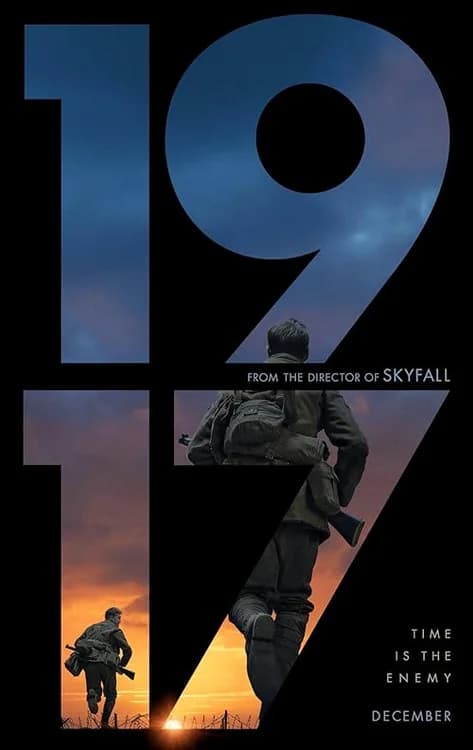
Sam Mendes' 1917 is a cinematic tour de force that immerses viewers in the harrowing reality of World War I through an innovative technical achievement. Presented as a continuous, real-time journey, the film follows young British soldiers Schofield (George MacKay) and Blake (Dean-Charles Chapman) as they race against the clock to deliver a crucial message that could prevent a catastrophic attack. What begins as a straightforward mission evolves into a profound exploration of courage, sacrifice, and the human cost of conflict.
The film's technical brilliance lies in Roger Deakins' masterful cinematography, which creates the illusion of a single, unbroken shot. This immersive approach places audiences directly alongside the protagonists as they navigate treacherous trenches, abandoned farmhouses, and war-torn landscapes. The continuous perspective amplifies the tension and urgency of their mission, making every obstacle feel immediate and visceral.
Beyond its technical achievements, 1917 delivers powerful performances that ground the spectacle in emotional truth. George MacKay's portrayal of Schofield captures both the vulnerability and resilience of soldiers facing unimaginable circumstances. The supporting cast, including cameos by Colin Firth and Benedict Cumberbatch, adds depth to the film's portrayal of military hierarchy and the disconnect between command decisions and frontline realities.
Viewers should watch 1917 not just for its technical innovation, but for its poignant storytelling that honors the individual experiences within the vast machinery of war. The film balances breathtaking action sequences with quiet moments of humanity, creating a war movie that feels both epic and intimate. Its Academy Award-winning achievements in cinematography, visual effects, and sound design create an unparalleled viewing experience that demonstrates cinema's power to transport audiences to another time and place while exploring timeless themes of duty, friendship, and survival.
The film's technical brilliance lies in Roger Deakins' masterful cinematography, which creates the illusion of a single, unbroken shot. This immersive approach places audiences directly alongside the protagonists as they navigate treacherous trenches, abandoned farmhouses, and war-torn landscapes. The continuous perspective amplifies the tension and urgency of their mission, making every obstacle feel immediate and visceral.
Beyond its technical achievements, 1917 delivers powerful performances that ground the spectacle in emotional truth. George MacKay's portrayal of Schofield captures both the vulnerability and resilience of soldiers facing unimaginable circumstances. The supporting cast, including cameos by Colin Firth and Benedict Cumberbatch, adds depth to the film's portrayal of military hierarchy and the disconnect between command decisions and frontline realities.
Viewers should watch 1917 not just for its technical innovation, but for its poignant storytelling that honors the individual experiences within the vast machinery of war. The film balances breathtaking action sequences with quiet moments of humanity, creating a war movie that feels both epic and intimate. Its Academy Award-winning achievements in cinematography, visual effects, and sound design create an unparalleled viewing experience that demonstrates cinema's power to transport audiences to another time and place while exploring timeless themes of duty, friendship, and survival.